
Practical Information
Libreville, Gabon
The capital of Gabon, on the Atlantic coast at the heart of the Congo Basin.
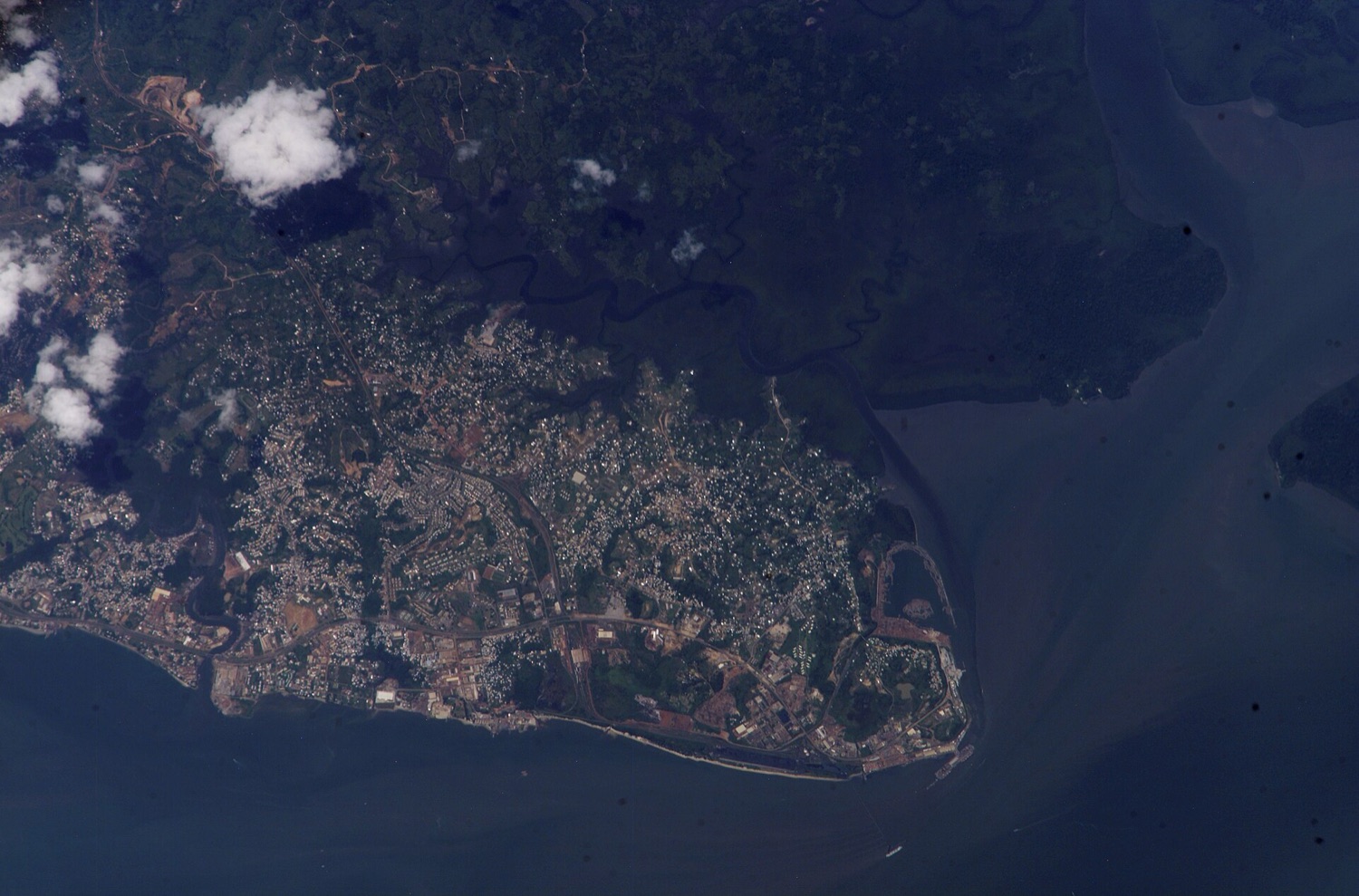
Photo: NASA Astronauts / Wikimedia Commons (Public domain)
Libreville is the capital and largest city of Gabon, located on the Atlantic coast at the estuary of the Komo River, on the Gulf of Guinea. It is the country's political, administrative and economic centre, and the main gateway for international visitors.
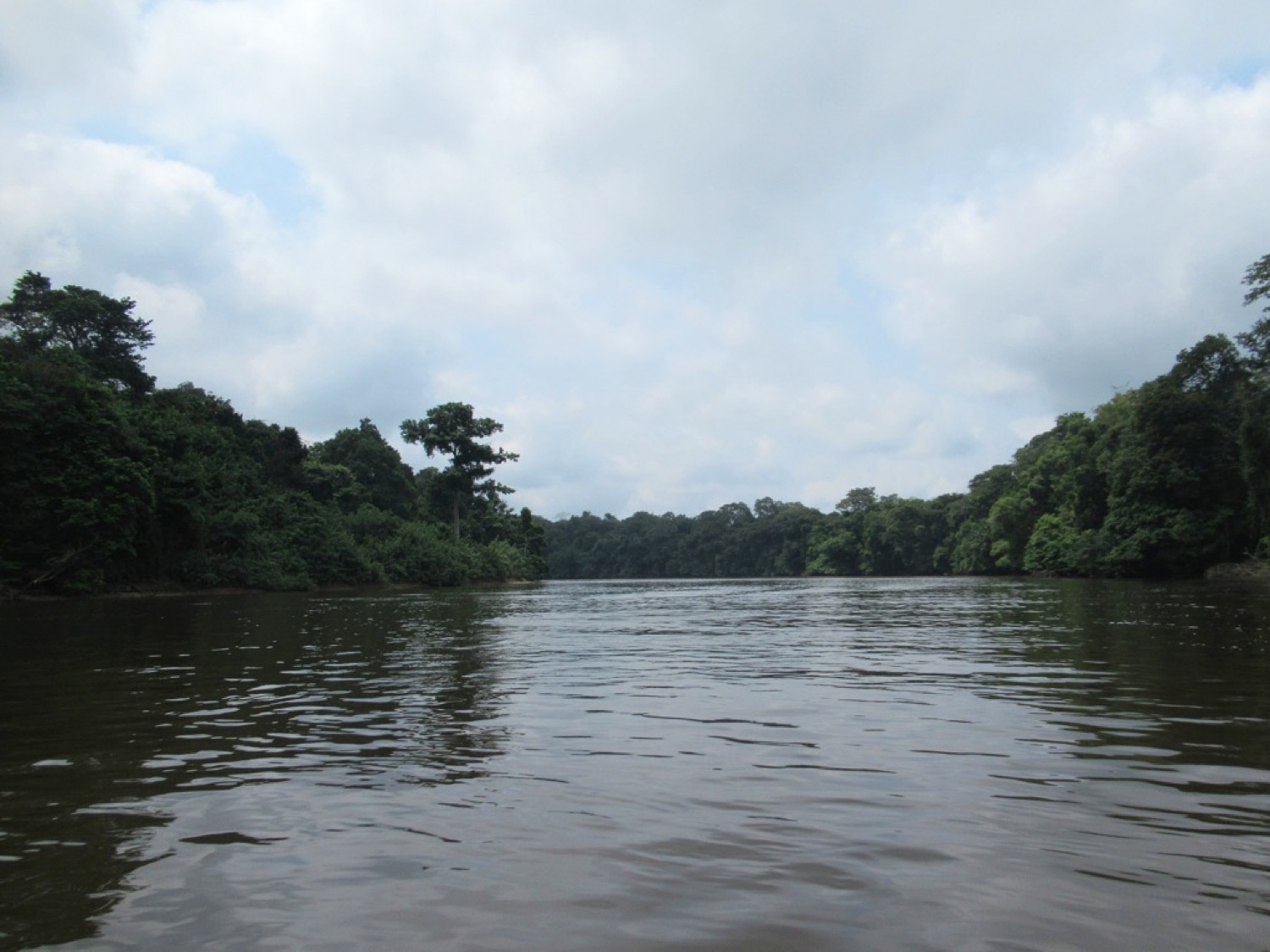
Gabon is one of the most forested countries on Earth, with tropical rainforest covering roughly 88% of its territory and about 11% of the land set aside in a network of 13 national parks. As part of the Congo Basin — the world's second-largest tropical rainforest — the country is a global stronghold for biodiversity and a fitting host for a meeting devoted to tropical ecosystem resilience.
Gabon in the Congo Basin
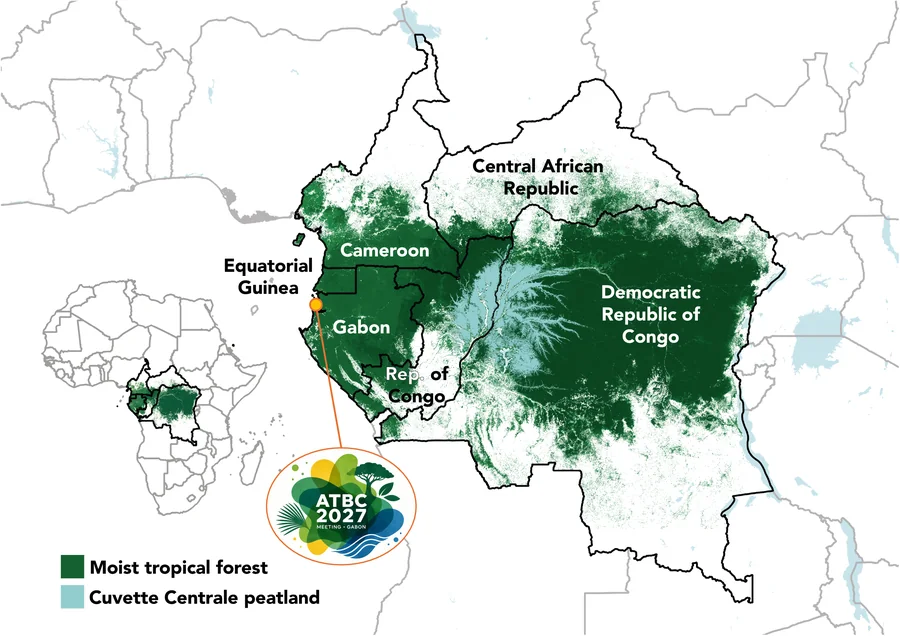
The Congo Basin holds the second-largest expanse of tropical rainforest on Earth, after the Amazon. It stretches across six countries — Cameroon, the Central African Republic, Equatorial Guinea, Gabon, the Republic of the Congo and the Democratic Republic of the Congo — and is one of the few tropical forest regions still absorbing more carbon than it releases.
At its centre lies the Cuvette Centrale, the largest tropical peatland complex known, where waterlogged forest soils hold carbon that has been accumulating for thousands of years. Gabon sits on the Atlantic edge of the basin, and Libreville — where ATBC2027 will be held — is marked on the map.
The city
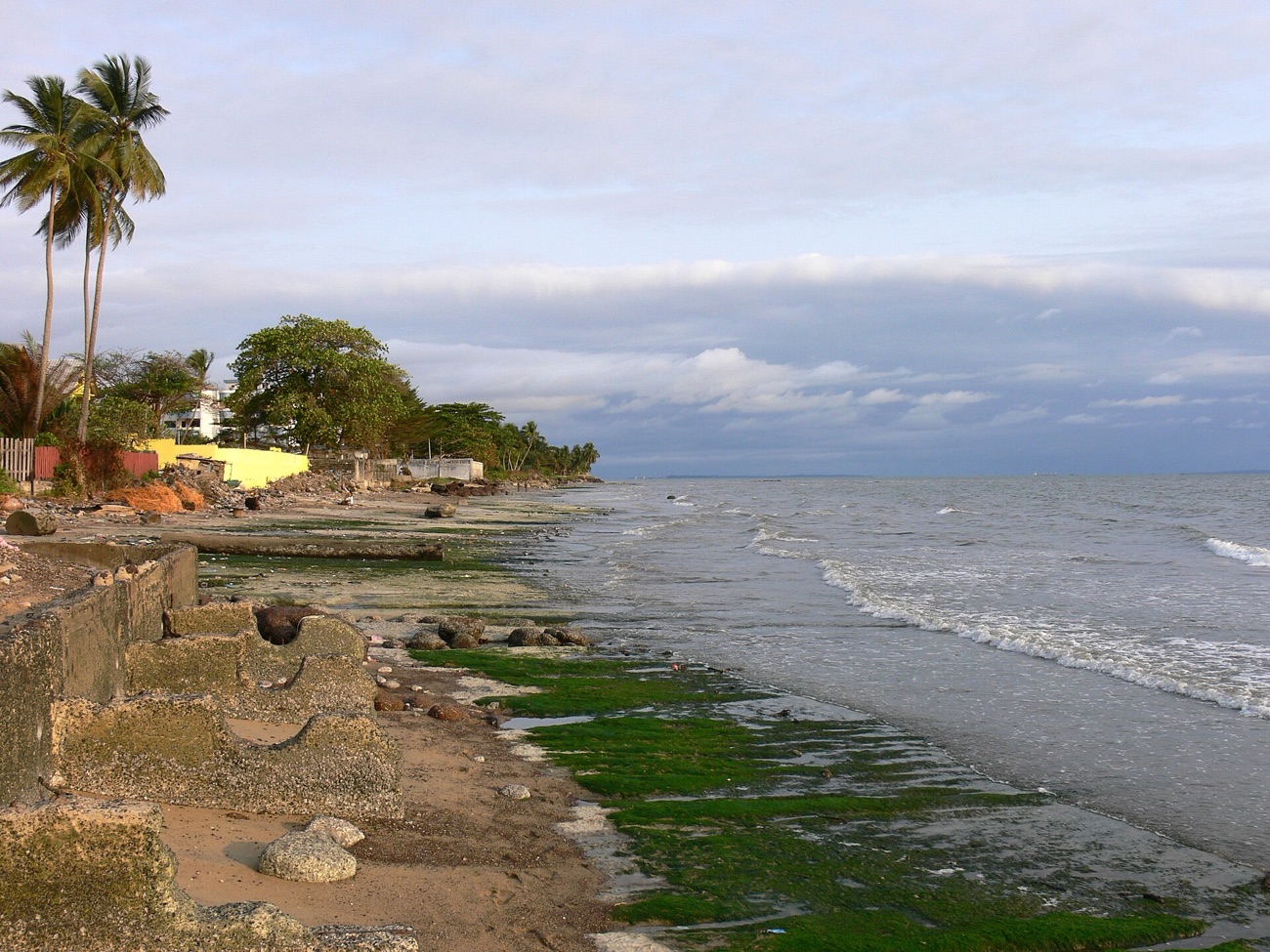
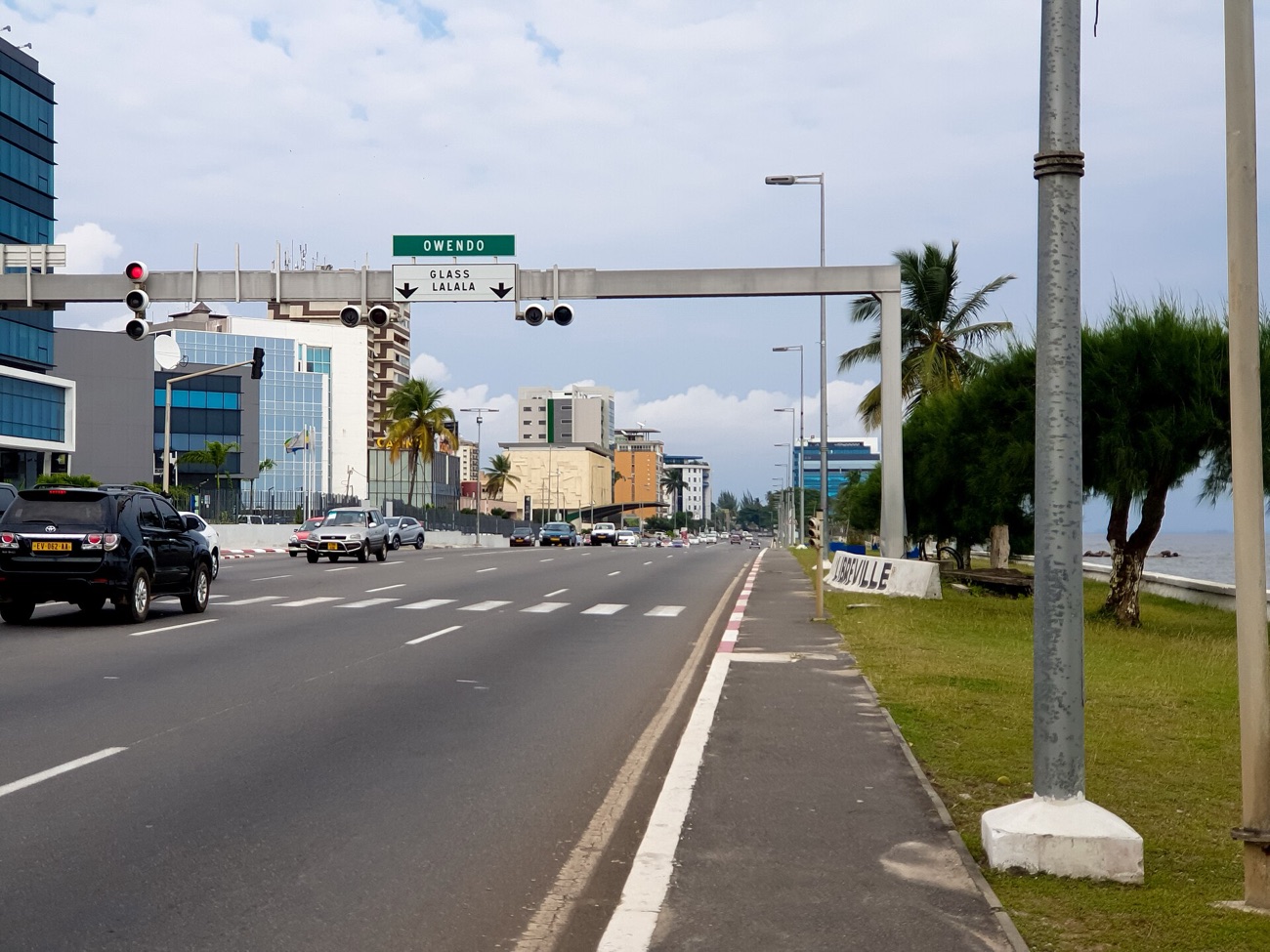
A relaxed seafront capital, Libreville pairs Atlantic beaches and a palm-lined coastal boulevard with museums, markets and a lively food scene.
Wildlife of Gabon
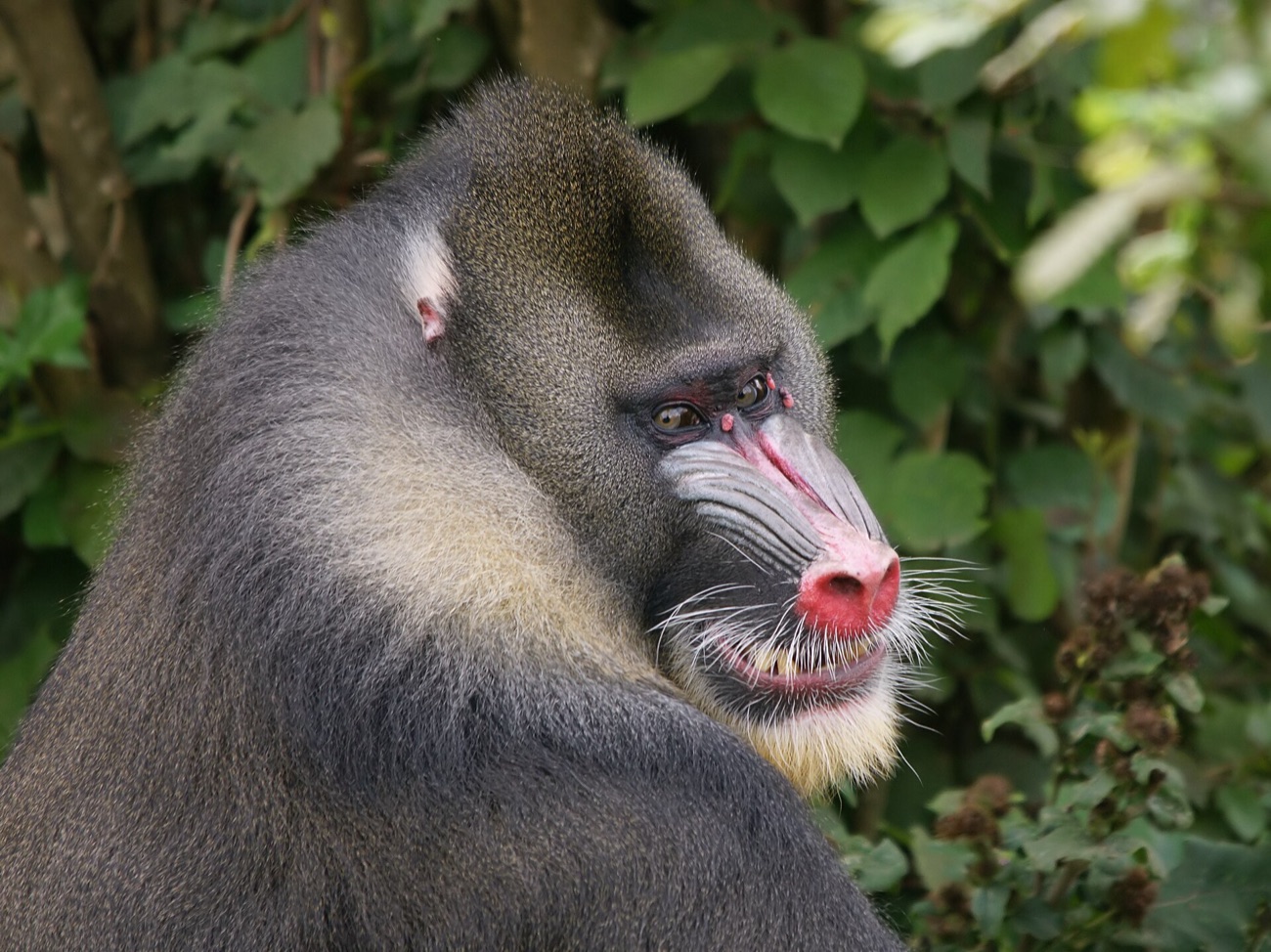
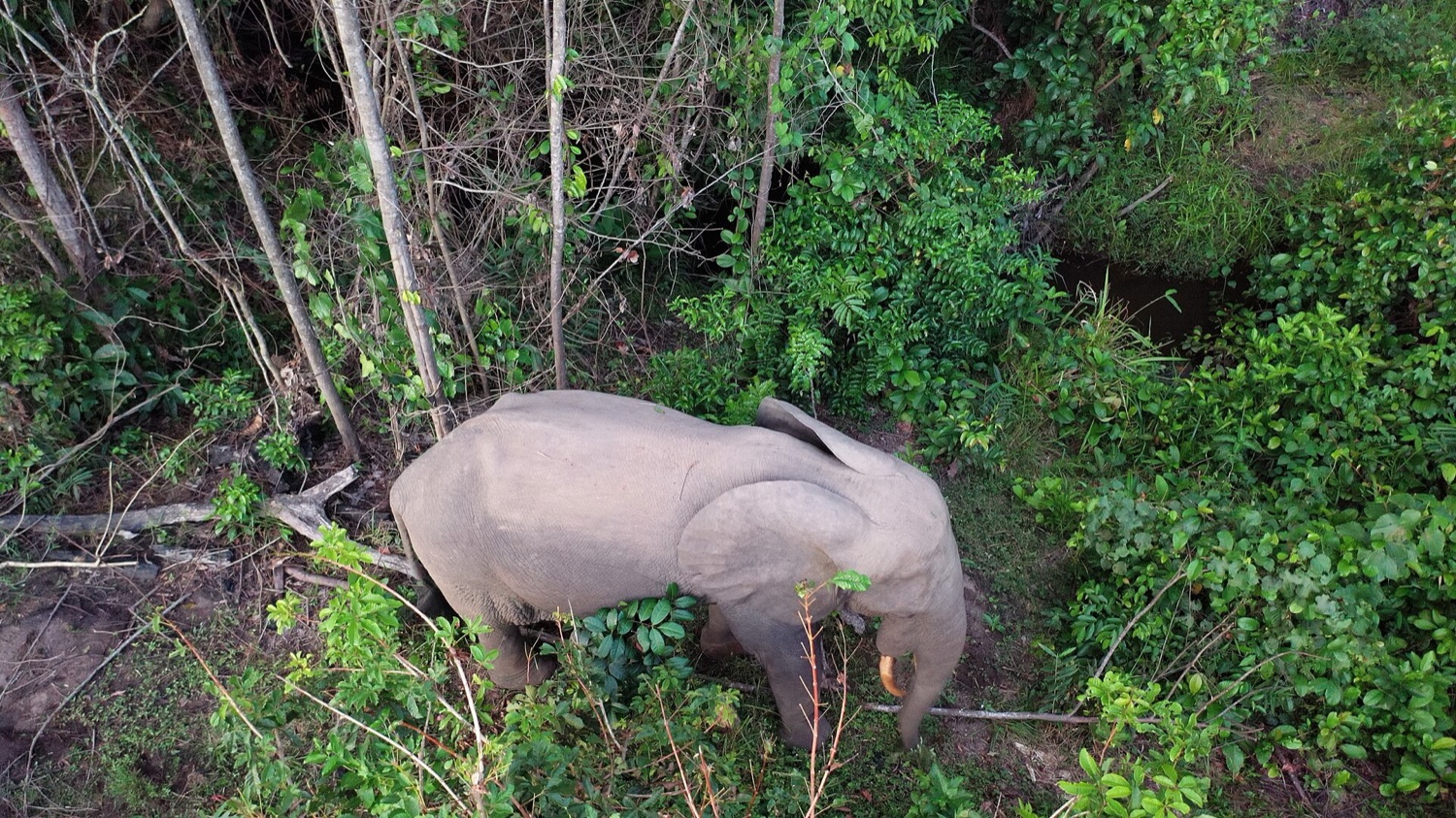
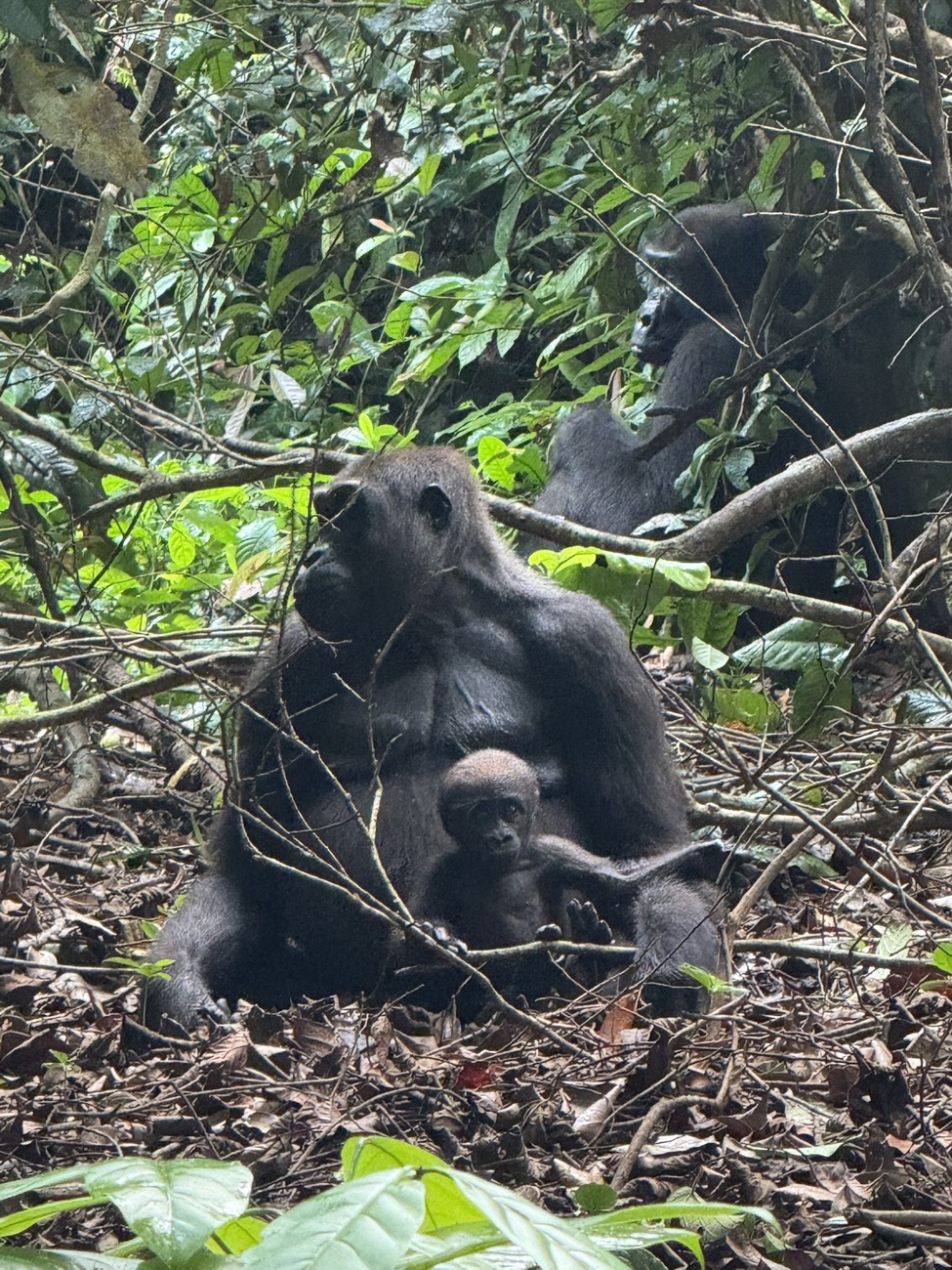
Gabon is one of Africa's premier destinations for tropical wildlife, home to emblematic Congo Basin species across forest, savanna, coast and ocean:
- African forest elephant (Loxodonta cyclotis) — Gabon holds one of the largest remaining populations.
- Western lowland gorilla (Gorilla gorilla gorilla) and central chimpanzee (Pan troglodytes troglodytes).
- Mandrill (Mandrillus sphinx), which forms some of the largest primate groups on Earth, and the sun-tailed monkey (Allochrocebus solatus), endemic to Gabon.
- Forest buffalo, sitatunga, red river hog and several duiker species.
- Leopard (Panthera pardus) and other forest carnivores.
- The famous "surfing hippos" of Loango National Park, seen in the Atlantic surf.
- Leatherback and olive ridley sea turtles — Gabon's beaches host some of the world's largest nesting aggregations.
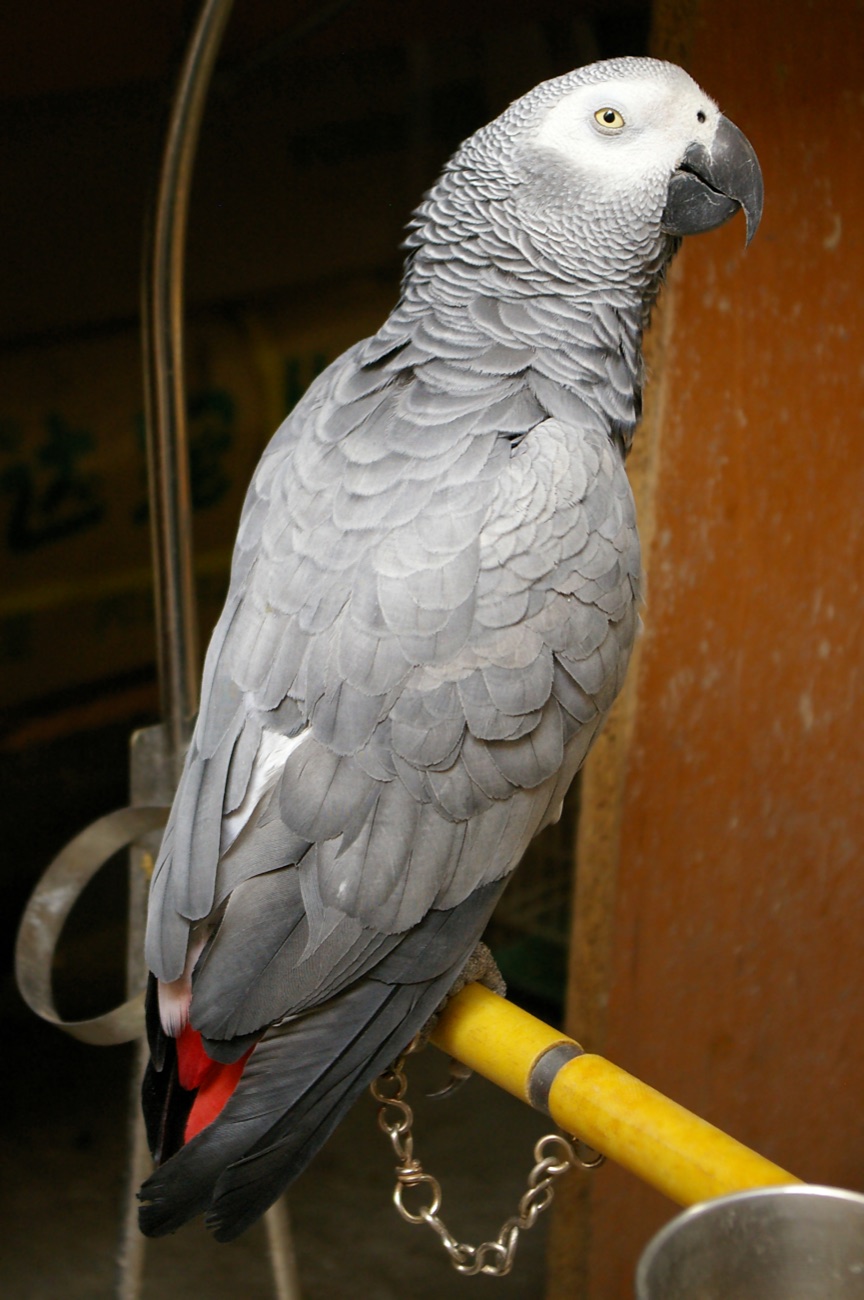
- Humpback whales and dolphins offshore, plus a rich avifauna including African grey parrots, hornbills and the grey-necked rockfowl (picathartes).
Forests & flora
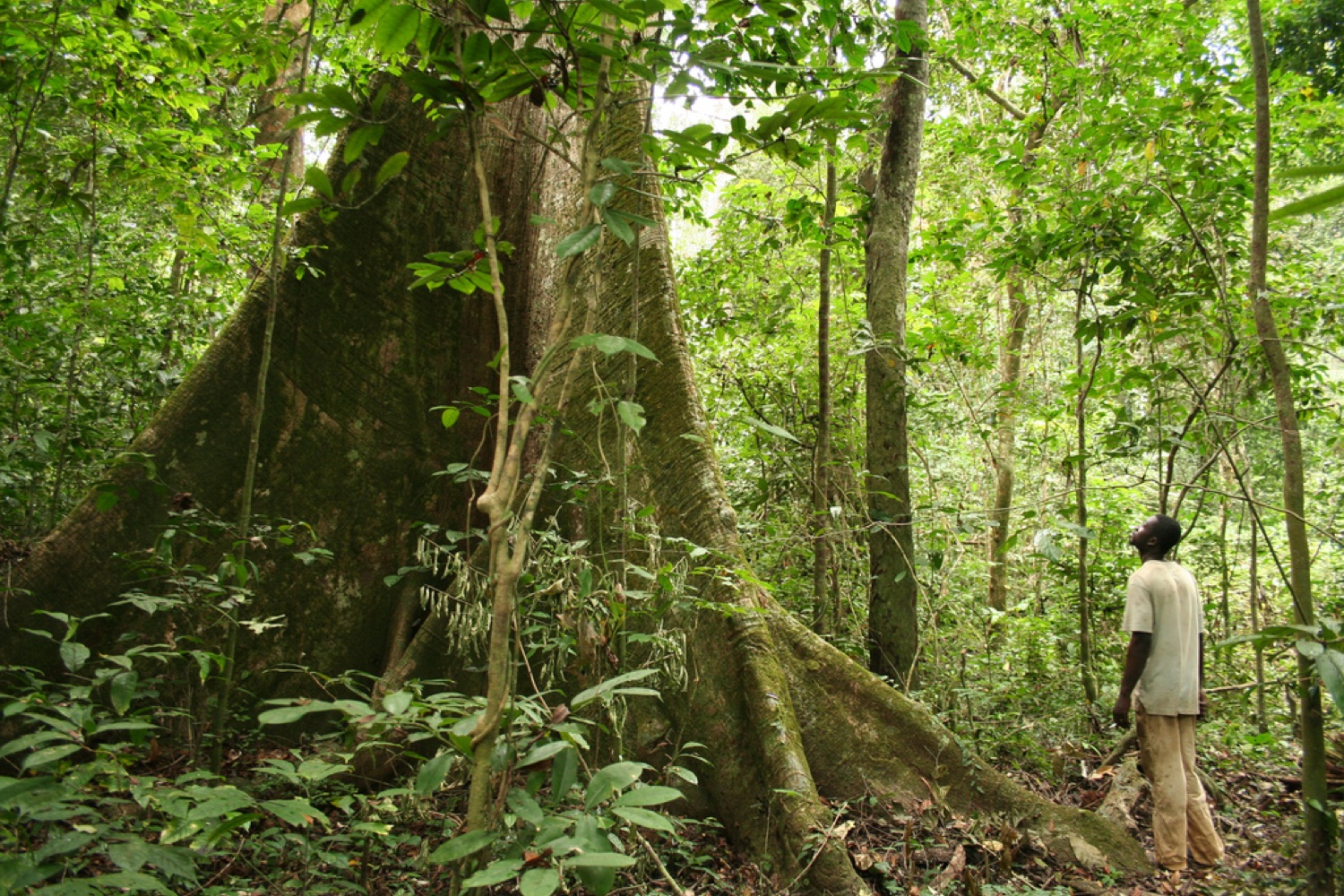
Almost the entire country is cloaked in dense tropical rainforest, dominated by the okoumé (Aucoumea klaineana) — Gabon's emblematic timber tree, which lends its name to the conference venue — alongside a vast diversity of hardwoods, lianas, epiphytes and understorey plants that make the Congo Basin a living laboratory for tropical botany.
A free city
The name Libreville — "free city" — comes from the city's origins. Founded in 1849 as a trading post, it became home to freed slaves who started again there, and the name still ties the capital to Gabon's history of emancipation.
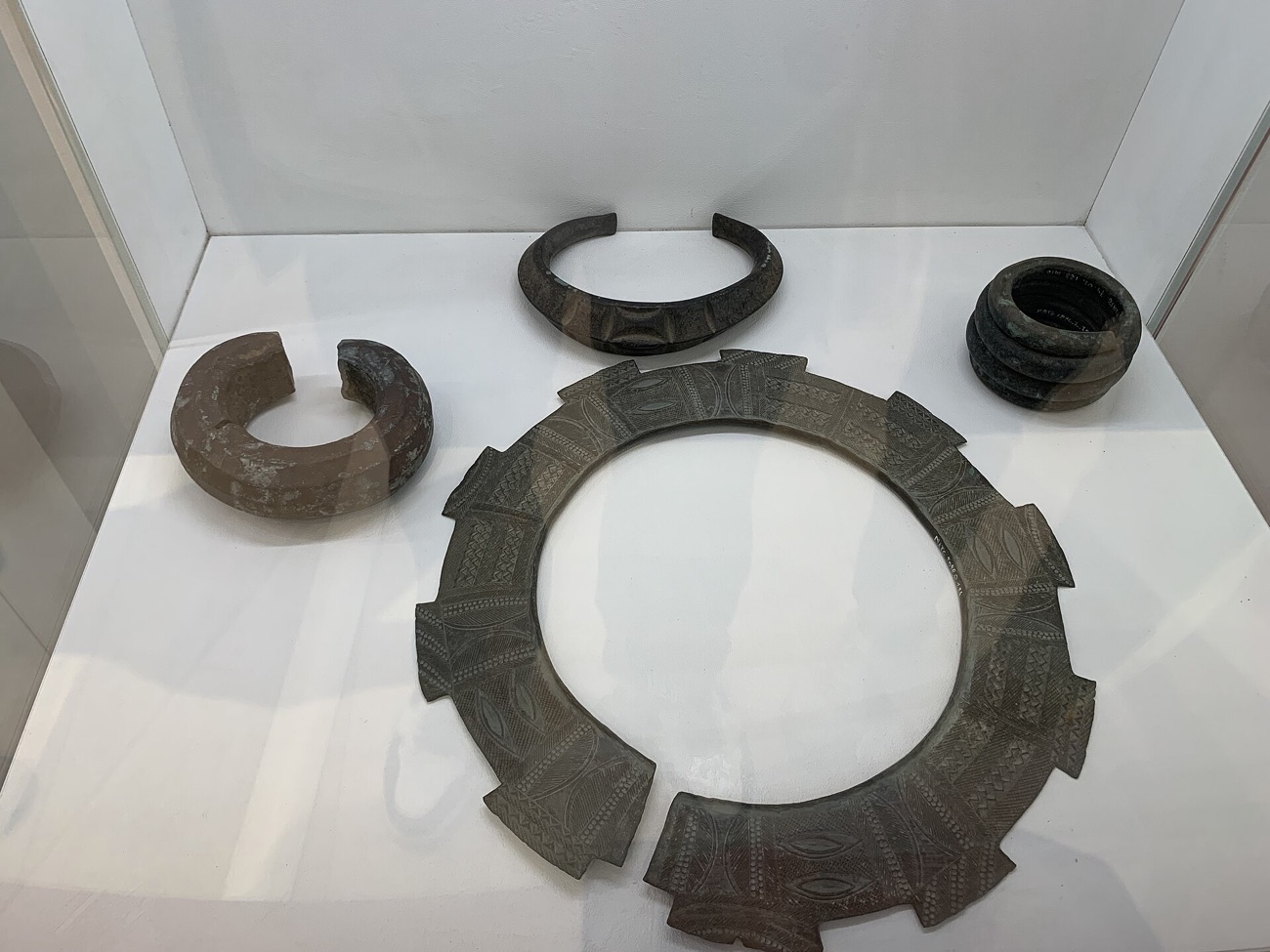
Quartier Louis, one of the oldest neighbourhoods, keeps the city's colonial-era architecture: buildings made entirely of wood, with carved columns. The National Museum holds Gabon's spiritual and cultural heritage — traditional arts and crafts, and the celebrated Fang masks, with their elongated features and clean lines, carved in wood and painted white for purity and the presence of ancestral spirits. It also shows artefacts from earlier regional civilisations and an immersive virtual-reality visit to the Iroungou cave, a medieval burial site that has reshaped what is known about pre-colonial populations in the region.
The season of the meeting is also a lively one for Gabonese tradition — dance, music, myth, spirituality and poetry — through the initiation ceremonies of societies such as Ndjèmbè, for women, and Okoukwè, for men.
Around Libreville
Several places worth a day are within easy reach of the city — useful for the days before or after the meeting:
- Raponda Walker Arboretum (40 min north), the giant trees of the Mondah forest, with marked 3, 5 and 10 km walks that end at a remote beach where olive ridley sea turtles (Lepidochelys olivacea) feed on particular algae.
- The mangroves of Akanda National Park, also close to the city.
- Pointe Denis (40 min by boat across the Komo estuary), with clear water, and the ecotourism sites of Pongara National Park — Baie des Tortues, Pongara Lodge — about an hour by boat.
- Nyonié, in the corridor between Pongara and Wonga Wongué national parks (an hour by boat and an hour by road), for wildlife including African forest elephant (Loxodonta cyclotis) and forest buffalo (Syncerus caffer nanus).
- Whale watching season opens in mid-July, from Libreville and Port-Gentil.
Good to know
- Country: Gabon (Central Africa, Congo Basin)
- Official language: French
- Currency: Central African CFA franc (XAF)
- Main gateway: Léon-Mba International Airport (LBV), Libreville
Photos via Wikimedia Commons under the licenses noted above. A full visitor guide — climate, getting around, health and safety — will be provided closer to the meeting.