
ATBC2027
Meeting Theme
Tropical ecosystem resilience at the crossroads of a changing planet, policy, and conservation.
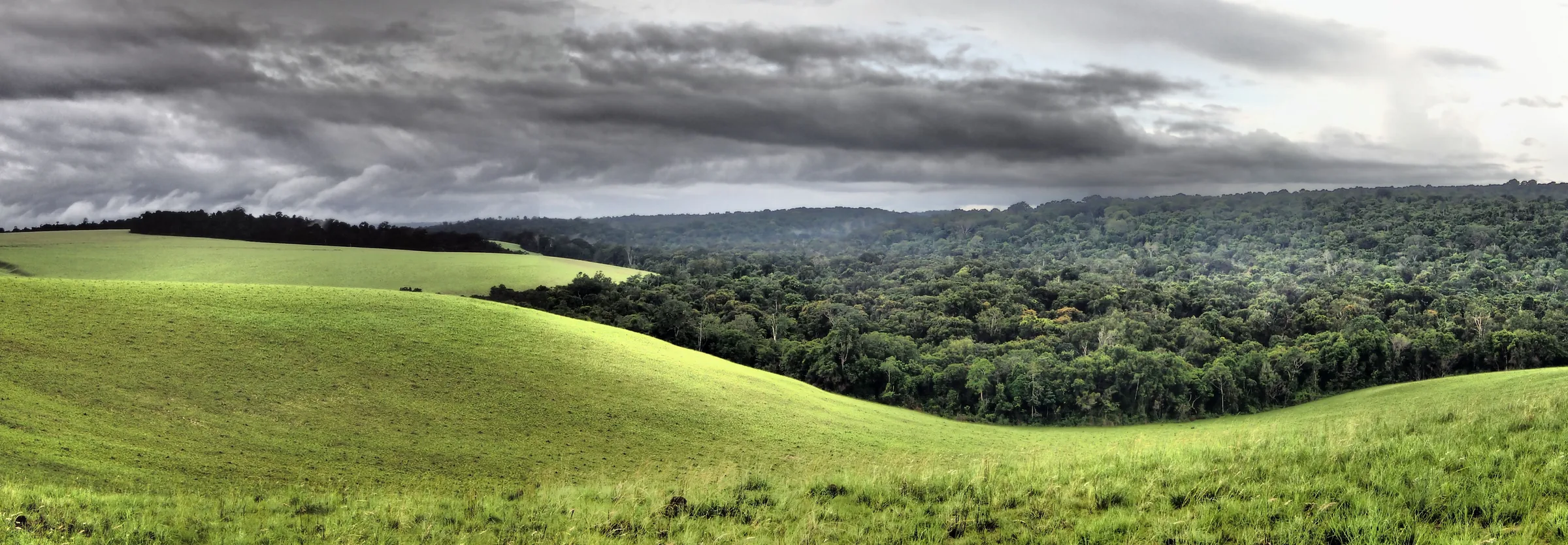
Photo: Nicolas Barbier (OFVi / IRD, France)
Tropical ecosystem resilience at the crossroads of a changing planet, policy, and conservation
Tropical ecosystems have already been altered from their pre-industrial conditions in both natural capital (e.g., biomass, biodiversity) and fluxes (e.g., river flow regimes) due to increasing land-use pressures and climate change. Heterogeneity — arising from variation in ecosystem structure, function, diversity, and disturbance regimes — is a defining and unavoidable feature of these systems.
Conservation priorities in the tropics have historically overlooked local contexts and knowledge systems, limiting the effectiveness of conservation actions and sometimes resulting in conflict. With over a billion people depending directly on these ecosystems for their livelihood, and a global reliance on their services including climate regulation, there is an urgent need to:
- understand heterogeneity in tropical ecosystems and their responses to climate change and anthropogenic pressures within and across continents;
- better predict their vulnerability and resilience to future changes; and
- advance locally relevant solutions with the populations that support ecosystem resilience and strengthen local economies.
Tropical nations are increasingly leveraging their natural capital to access nature-based financing mechanisms that align conservation outcomes with sustainable development. Innovative tools — artificial intelligence, computational biology, remote sensing, and omics — are needed to inform sustainable land-use planning, climate resilience strategies, evidence-based policy, and investment decisions. Place-based tropical biology and conservation science provide the critical foundation for deploying these tools effectively.
The theme calls for inclusive and interdisciplinary science that integrates the complex socio-ecological interdependencies of tropical ecosystems to deliver conservation strategies that are culturally and socially equitable — bridging science and technology with community engagement, capacity building, conservation, and nature-based finance.